
Editor’s Note: The following post was published on The Walk To Remember in 2018. It has been reformatted to this website.
A few years ago, while compressing my spine for the furniture company, my presence was frequently blessed by a man who worked through the local temp service. During our long drives to various job locations we shared in some very profound discussions. God, systematic theology, church, and the Bible were some of the most frequent subjects. He knew a little of God and some of the Bible. Once in a blue moon his presence would grace the pews of a church, however he wasn’t saved and sin was a constant struggle in his life. He confided in me that David was his favorite character in the Bible. His role model. Why? Struggling with sins and faults was a common definition in their lives. David was a lot like him. This was the source of his admiration. He loved the fact that, despite the shepherd’s imperfections, he was “a man after God’s heart”.
What does this mean? To be after God’s heart? How could David sin so much, yet still earn this title? He had made many mistakes. The one that marred him the most was his scandalous affair with a bathing maiden. This, like the telling of “The House That Jack Built”, gave birth to the plot to cover this iniquity by having her husband killed in battle (2 Samuel 11), which birthed the death of their “love child” (2 Samuel 12:15-19), which was the first sword strike against the house of David (2 Samuel 13).
The key is “repentance”. Every time David fell to his flesh, he recognized his shattering and sought God to reconnect the broken pieces. He hungered for forgiveness. He yearned for reconciliation. Without them he would starve in his own misery. As the light would turn away, he undoubtedly felt the winter’s chill creeping upon him. The table that was prepared, the overflowing cup, would soon vanish. The shepherd would be left without The Shepherd in the presence of his enemies (Psalm 23). I believe that he had a fear of losing God. I see in my mind’s eye David looking up from his iniquity, seeing with Fear’s vision Yahweh walking away. As someone who had offended their friend would watch them fade into the distance. Chasing after them, screaming and pleading “Wait! I’m sorry! Please don’t go! Come back!” Could this be what it means to be after God’s heart in the aftermath of sin under the veil of repentance? Was David chasing God? It was after the Prophet Nathan’s rebuke that David penned these words:
Have mercy upon me, O God, According to Your lovingkindness; According to the multitude of Your tender mercies, Blot out my transgressions. Wash me thoroughly from my iniquity, And cleanse me from my sin. For I acknowledge my transgressions, And my sin is always before me. Against You, You only, have I sinned, And done this evil in Your sight—That You may be found just when You speak And blameless when You judge. Behold, I was brought forth in iniquity, And in sin my mother conceived me. Behold, You desire truth in the inward parts, And in the hidden part You will make me to know wisdom. Purge me with hyssop, and I shall be clean; Wash me, and I shall be whiter than snow. Make me hear joy and gladness, That the bones You have broken may rejoice. Hide Your face from my sins, And blot out all my iniquities. Create in me a clean heart, O God, And renew a steadfast spirit within me. Do not cast me away from Your presence, And do not take Your Holy Spirit from me. Restore to me the joy of Your salvation, And uphold me by Your generous Spirit. Then I will teach transgressors Your ways, And sinners shall be converted to You. Deliver me from the guilt of bloodshed, O God, The God of my salvation, And my tongue shall sing aloud of Your righteousness. (Psalm 51:1-14, NKJV).
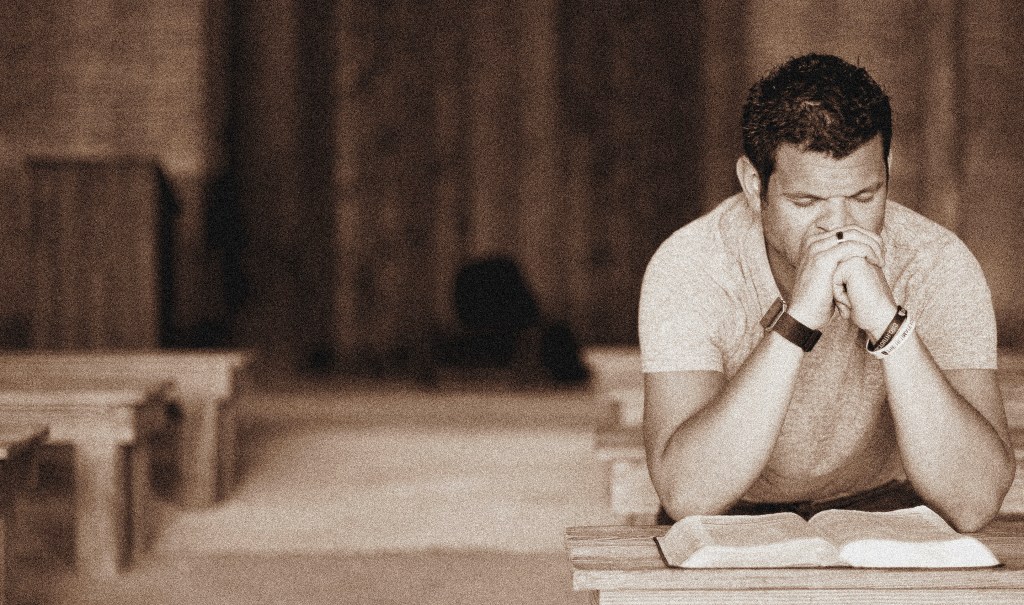
It was the pursuit of God at his lowest points that sustained David. His iniquities could not hide themselves from the public ear. Imagine for a moment what they said in Jerusalem. The talk surrounding the Bathsheba scandal. What did they say regarding the rebellion of his sons? The rape of Tamar? The murder? Oh my, how they talked! However, he reached for the hand of God and found it. A man who broke many times into a thousand pieces knew that only the God that he chased could make him whole again. Like Samson, he lost the sight of God, only to see Him again when sin had carried him afar. He knew where he needed to be- In the shadow of His wings (Psalm 57:1, 63:7).
My co-worker had found favor with David because he could identify with his sins. It brought him great comfort in knowing that a biblical hero fell as much as himself. However, the men and women of the Bible and their follies do not exist to credit our sins. No. They exist to show us sin, its consequences, and eventually repentance and God’s forgiving grace. We should, instead, focus on Christ. The story of the Bible is a story about salvation and repentance. God is the sole focus. The people are just the players as their job is to point everything back to God. Setting our gaze upon the fall of biblical characters would lead us to use their weaknesses to excuse ours. We should in its stead focus on the moment that, through God, they had stood again.
The point isn’t “How could David be a man after God’s heart if he sinned so much?” It should be that David recognized his sins and bowed before a Holy God in repentance. More importantly, that God forgave the wretched man. No matter what. No matter how many times. Should we try to be like David, like my friend believed? Should we strive to walk in the footprints that are swallowed by the mud? Should we seek to grieve the Holy Spirit (Ephesians 4:30)? Should we seek to quench the consuming fire (Hebrews 12:29)? Should we seek the breath of winter’s chill creeping across our crawling skin? No! David is our example in the Christian walk. When we sin, we should repent. Immediately! Not wallow in its death and stench. Perfection isn’t ours, neither did it belong to him. It never was and never will be. He was a man who sought God and repented before Him when sin had grieved their hearts. We too should seek to have a heart like this. One that seeks God’s.
“For godly sorrow produces repentance leading to salvation, not to be regretted; but the sorrow of the world produces death.” (2 Corinthians 7:10, NKJV).
 Refined4Him